In a significantly bustling globe, the quest for peacefulness has become more crucial than ever before. For kids, the very early years can be especially chaotic, full of new experiences and feelings that can overwhelm them. At our day care facility, we accept the ideology of developing calm areas where kids can grow mentally, socially, and cognitively. Among the foundations of our technique to achieving this tranquility is yoga.
Yoga not only offers physical benefits but also supports mental wellness and psychological equilibrium in preschoolers. From improving emphasis during Spanish lessons to advertising relaxation during pre-school classes, yoga plays a critical duty in our day-to-day regimen. This article dives deep into exactly how yoga creates a peaceful atmosphere that promotes growth and discovering in young minds.
1. Creating a Calmness Area: Recognizing the Value of Serenity
Creating a calm atmosphere is basic in any type of childcare facility. But why is calmness so essential? Youngsters experience life via their detects, often absorbing tension from their environment without even realizing it. A tranquil space aids them process their sensations and create coping devices. Additionally, it establishes the foundation for lifelong health habits.
1.1 What Makes up a Tranquil Space?
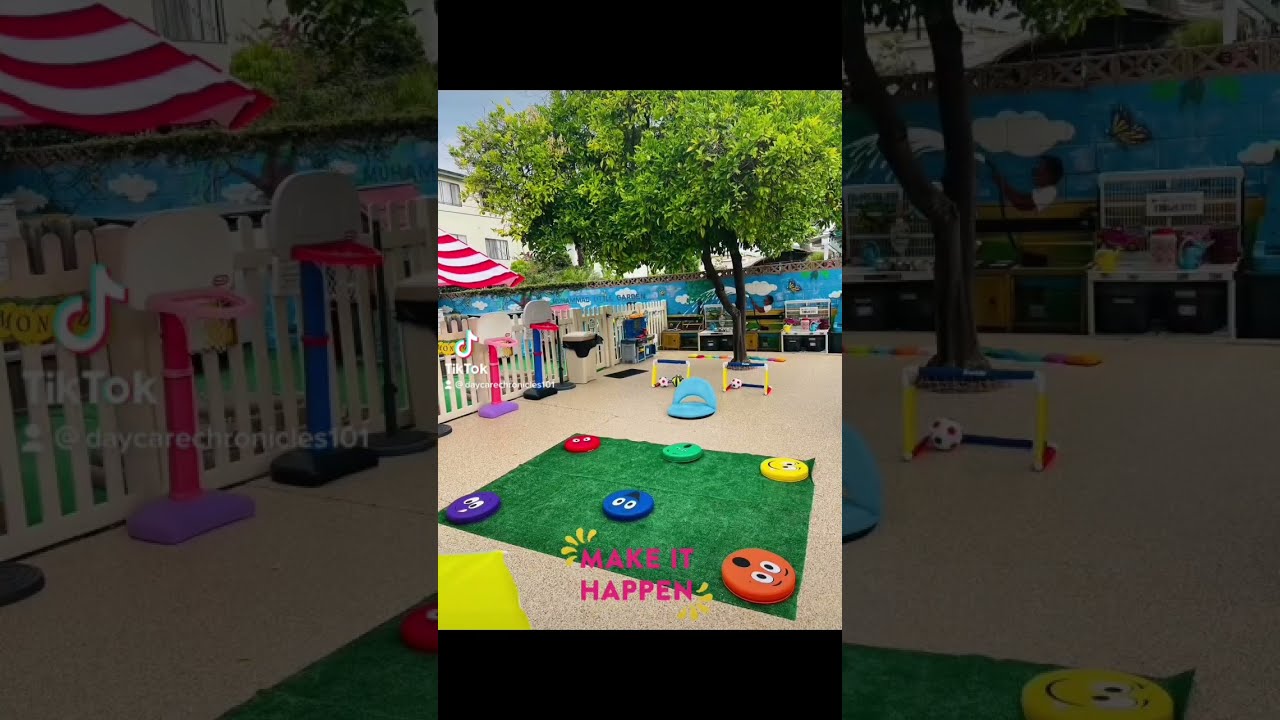
A tranquil area isn't simply about silence or very little distractions; it's about cultivating an environment where children feel secure and valued. This consists of:
- Soft lighting Comfortable seating Calming colors (like blue and green) Nature components (plants or nature audios)
1.2 The Neuroscience Behind Calmness
Research shows that direct exposure to calming settings advertises healthy mind advancement in children. When they are unwinded, their brains operate efficiently, causing better learning outcomes.
2. The Duty of Yoga Exercise in Promoting Serenity
So how does yoga suit this photo? Yoga exercise serves as a bridge in between exercise and mental peace.
2.1 What is Yoga?
Yoga is more than just poses; it's an alternative method that integrates movement with mindfulness. It motivates self-awareness and teaches youngsters just how to handle their breath-- 2 vital abilities for emotional regulation.
2.2 Benefits of Yoga Exercise for Preschoolers
The benefits are complex:
- Improves versatility and coordination Enhances concentration Reduces anxiety Encourages empathy
3. Incorporating Yoga Exercise into Daily Routines
Incorporating yoga right into our childcare facility's day-to-day regimen does not have to be made complex-- it's all about creativity!
3.1 Early morning Stretch: Starting the Day Right
Every early morning at our day care facility begins with gentle stretches to stir up both mind and body:
Morning Stretch Routine
|Posture|Period|Function|| --------------------|------------|----------------------------------|| Youngster's Posture|2 mins|Grounding|| Cat-Cow Stretch|3 minutes|Mobility|| Hill Pose|2 minutes|Emphasis|
These straightforward positions prepare them for the day in advance while instilling discipline.
3.2 Mindful Breathing Techniques
Teaching children just how to take a breath mindfully can https://caidenbhtn302.yousher.com/nature-as-a-classroom-enhancing-childcare-experiences-via-outdoor-play transform their psychological landscape.
Mindful Breathing Exercises
- Bubble Breathing: Claim you are blowing bubbles. Balloon Breathing: Breathe in deeply like pumping up a balloon.
These exercises aid manage anxiety during even more challenging tasks like Spanish lessons or group activities.
4. Creating a Calmness Room: The Role of Yoga Exercise During Pre-school Classes
How does yoga particularly improve pre-school classes? Let's discover its influence on numerous subjects.
4.1 Enhancing Emphasis for Learning
Yoga helps sharpen emphasis by permitting children to carry excess power favorably prior to taking part in structured knowing environments.
Yoga Postures for Focus
|Position|Impact|| ---------------------|-------------------------------------------|| Tree Posture|Equilibrium boosts concentration|| Eagle Pose|Advertises control|
4.2 Fostering Emotional Intelligence Via Movement
Incorporating storytelling throughout yoga exercise sessions enables children to engage mentally while developing empathy with characters they embody in poses.
5. Promoting Social Skills through Team Yoga Sessions
Group tasks naturally enhance social interactions among peers.
5.1 Synergy Through Partner Poses
Partner postures motivate cooperation and communication.
Examples of Companion Poses
- Double Tree Pose: Balances teamwork with private strength. Partner Boat Pose: Constructs depend on while having fun!
These practices aid decrease problems amongst children throughout playtime or group discussions related to their Spanish lessons or other subjects.
6. Alleviating Shifts with Relaxing Techniques
Transitions in between tasks can be demanding for some children; luckily, yoga provides reliable strategies!
6.1 Utilizing Yoga exercise Before Change Times
Implementing brief yoga breaks before transitioning aids ease anxiousness:
Example Activities
- Quick "wiggle" session: Clean limbs before moving on. Guided imagery: Picturing a calm beach during shifts urges relaxation.
7. Instructing Mindfulness Via Breathwork
Breathwork is fundamental in yoga practice, training kids just how to stay centered amid chaos.
7.1 The Power of "Time Out" Moments
Integrating stops throughout the day allows kids to reconnect with themselves:
Recommended Time out Tasks:
- Deep breathing Mindful listening (focusing on all-natural audios around them)
These tasks develop strength versus stressors they might encounter throughout their day at the day care center.
8. Including Cultural Elements Like Spanish Lessons right into Yoga Exercise Practices
Why not mix cultural learning with physical activity?
8.1 Bilingual Yoga exercise Sessions
Using Spanish words during yoga exercise postures enhances vocabulary while advertising activity! For example:
Sample Postures:
- "Sol" (Sun) Salutation "Guerrero" (Warrior) pose
These multilingual sessions motivate variety while appealing kids's mind and bodies simultaneously!
9. Urging Parental Participation via Family Yoga Exercise Days
Getting moms and dads entailed fosters area spirit within our childcare center!
9.1 Hosting Family members Yoga Events
Once a month, we invite families to join us for family-friendly sessions! This reinforces bonds while demonstrating alternative wellness techniques at home too!
10. Verdict: Accepting Peacefulness Through Movement and Mindfulness
Creating a calm area takes effort yet returns countless benefits! By integrating yoga exercise right into our daily routine at the day care center-- especially during pre-school classes-- we cultivate an environment abundant in peacefulness where kids flourish psychologically, socially, and cognitively.
Each stretch taken with each other leads in the direction of building more powerful links amongst peers and instructors alike-- so allow's continue embracing this journey towards cultivating peace through movement!
FAQs
Q1: Exactly how often must yoga be practiced in a daycare setting?
A: Ideally, everyday sessions-- in small dosages-- assistance develop routine without frustrating young learners!
Q2: What age benefit most from yoga?
A: Kid aged 3-- 6 years find enormous worth from exercising age-appropriate activities like those integrated into preschool courses at our center!
Q3: Can parents take part in their child's yoga session?
A: Definitely! Engaging moms and dads improves community spirit while enhancing mindfulness methods at home too!
Q4: Are there particular types of music recommended for youngsters's yoga?
A: Soft instrumental songs or nature seems foster leisure effectively without being distracting!
Q5: Just how do you measure success relating to these practices?
A: Monitorings relating to emotional regulation renovation along with scholastic performance act as key indications; happy faces inform us much too!
Q6: Can various other topics be incorporated right into yoga method past Spanish lessons?
A: Absolutely! Any kind of subject can link magnificently through storytelling or themed positions created accordingly keeping involvement high amongst little ones!
By embedding these principles into day-to-day routines within our dynamic childcare setup-- youngsters not only learn valuable life skills yet likewise grow as compassionate human beings prepared to encounter all experiences ahead!